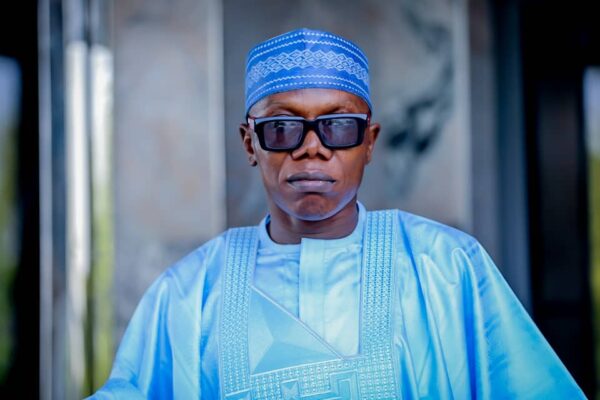
The Senate’s confirmation of General Christopher Gwabin Musa as Minister of Defence on 3 December 2025 was more than a formality – it was a public endorsement of a leader who, just weeks earlier, had served as Nigeria’s immediate Chief of Defence Staff and earned praise from senators and security stakeholders alike for his steady hand in the Northeast and his clear eyed vision for the nation’s defence.
General Musa’s record as Theatre Commander of Operation HADIN KAI showed that he can translate strategy into results. Lawmakers noted his “comprehensive security reform plan” and his emphasis on “action, not just words” during the marathon screening that preceded his confirmation. It is precisely this blend of battlefield experience and forward thinking that Nigeria needs at the helm of the Defence Ministry today.
Why security, energy, food, and shelter are the new “must-haves.”
In his opening remarks to the Senate, General Musa reminded the chamber that a nation cannot be secure while its people go hungry, live in darkness, or lack a roof over their heads. “We cannot shoot our way out of hunger or hopelessness,” he said, underscoring that security, energy, food, and shelter are not optional extras but the foundation of any credible defence strategy. When citizens have reliable electricity, enough to eat, and a safe place to sleep, they are far less likely to be recruited by armed groups – a truth that any successful security architecture must acknowledge.
,
If General Musa needs a model, look no further than Rwanda’s former Defence Minister, Maj. Gen. Albert Ngauluka (2020 2024). Taking over a ministry still grappling with legacy rebel activity, Ngauluka launched a nationwide “Community Sentinel” programme that linked local farmers, traders, and village elders to a real-time intelligence network powered by affordable drones and mobile reporting apps. Within two years, cross-border rebel incursions fell by 70 %, and the country recorded its lowest homicide rate in a decade. His approach married technology with grassroots ownership – a lesson that resonates with General Musa’s own call for “technology-driven, community-rooted” security.
Less talk, more action – the expectation
Nigerians are clear: they want less rhetoric and more results. The recent Senate hearing left no doubt that the public views General Musa as a “seasoned professional finally empowered to deliver.” ⁴ It is not a belief that only retired generals can run a defence ministry – far from it – but rather a confidence that General Musa, with his proven track record and fresh mandate, can bridge the gap between policy and the field.
The road ahead is steep: banditry, terrorism, kidnapping, and the looming threats of climate-induced food insecurity demand swift, decisive moves. By prioritising the welfare of the soldier, integrating technology with a human touch, empowering local governments, and cutting the financial lifelines of criminal networks, General Musa can turn the high hopes placed in him into tangible peace for all Nigerians.
Below are some reflections—drawn from field research, policy analysis, and conversations with soldiers, community leaders, and private security practitioners—on how the Ministry can begin to reshape Nigeria’s security architecture. The aim is to reduce banditry, terrorism, and kidnapping, and to establish a more efficient and accountable system.
1. Prioritise the welfare of the soldier
A soldier who worries about his family’s next meal cannot focus on the mission. Upgrading barracks, ensuring reliable water, electricity, and internet, and providing regular medical care translate into higher morale and lower attrition. Expediting salary and pension payments through a transparent, digital payroll system will eliminate leakages. Creating “family hubs” at major bases—where spouses can access education, healthcare, and micro credit—will further strengthen the force.
2. Embrace technology, but keep it human-centric
Deploy an integrated command and control platform that links the Ministry, the Armed Forces, the Police, and Civil Defence in real time. Expand the use of UAVs and satellite night vision to monitor porous borders, especially around the Lake Chad basin, and pair this with community-based reporting apps that allow civilians to send geotagged alerts safely. A dedicated analytics cell staffed by data scientists and seasoned intelligence officers can turn raw data into predictive insights for resource allocation.
3. Strengthen local governance
Security cannot be outsourced to the centre alone. Empower state and local governments to form joint security committees that include traditional leaders, civil society groups, and the military. Reinvigorate community policing, ensuring officers are recruited from the communities they serve to build trust and improve intelligence flow. Regular workshops for local officials on budgeting, procurement, and basic security management will enable them to allocate resources more efficiently.
4. Allow private security to complement state forces
Well-regulated private security companies (PSCs) can enhance national security when they operate under strict oversight. Enact a clear licensing regime that mandates transparency, background checks, and adherence to human rights standards, and maintain a public registry of approved PSCs. Contract PSCs for static guarding of critical infrastructure and logistical support, freeing regular troops for kinetic operations. Joint training with PSC personnel will ensure interoperability and adherence to rules of engagement.
5. Cut the financial lifelines of terrorism and banditry
Formalise a “no ransom” stance across all government agencies, with legal penalties for any payment made by officials or families. Strengthen the Financial Intelligence Unit’s capacity to monitor cash flows, cryptocurrency transactions, and informal money transfer networks used by militants. Offer cash for information programmes that reward civilians who provide actionable intelligence on ransom negotiations.
6. Foster regional cooperation
The threats Nigeria faces do not respect borders. Establish multinational patrol units that operate under a shared command structure, sharing intelligence and resources. Work with Chad, Niger, and Cameroon to dismantle arms smuggling routes that fuel banditry and insurgency. Offer training and equipment to neighbouring armed forces to create a network of capable partners.
Closing thoughts
Nigerians have high hopes for General Christopher Gwabin Musa. The belief is not that only retired generals can run a defence ministry – far from it – but that a leader with his proven track record, executive acumen, and deep field experience can bridge the gap between policy and the front line. The nation’s expectation is simple: “less talk, more action.”
By placing the soldier’s welfare at the core, harnessing technology with a human touch, empowering local governance, regulating private security, cutting terrorist financing, and strengthening regional ties, General Musa can turn the optimism of 3 December into lasting peace and stability for all Nigerians.
His record as Theatre Commander of Operation HADI KAI has already shown that he understands the importance of decisive, ground-level leadership. By placing the soldier’s welfare at the core, harnessing technology with a human touch, empowering local governance, regulating private security, cutting terrorist financing, and strengthening regional ties, he can begin to turn the tide against banditry, terrorism, and kidnapping.
The nation watches, and the clock is ticking. Let the work begin. May your tenure be marked not just by the absence of conflict, but by the presence of lasting peace and development for all Nigerians.
Dr. MS Abubakar, CAS, FICRPC